
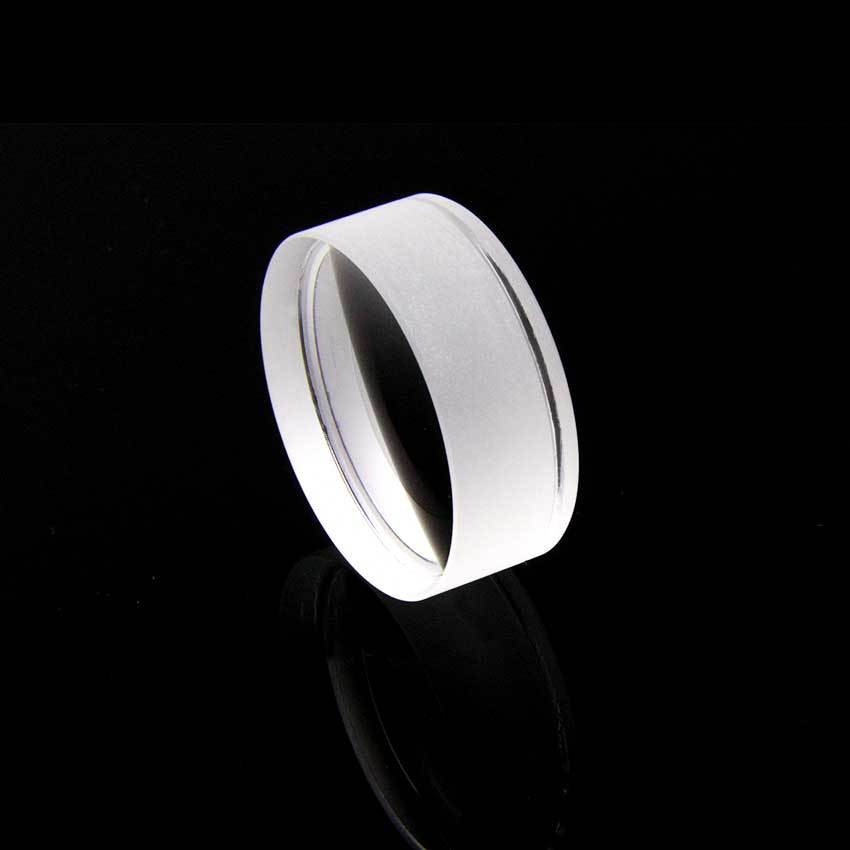
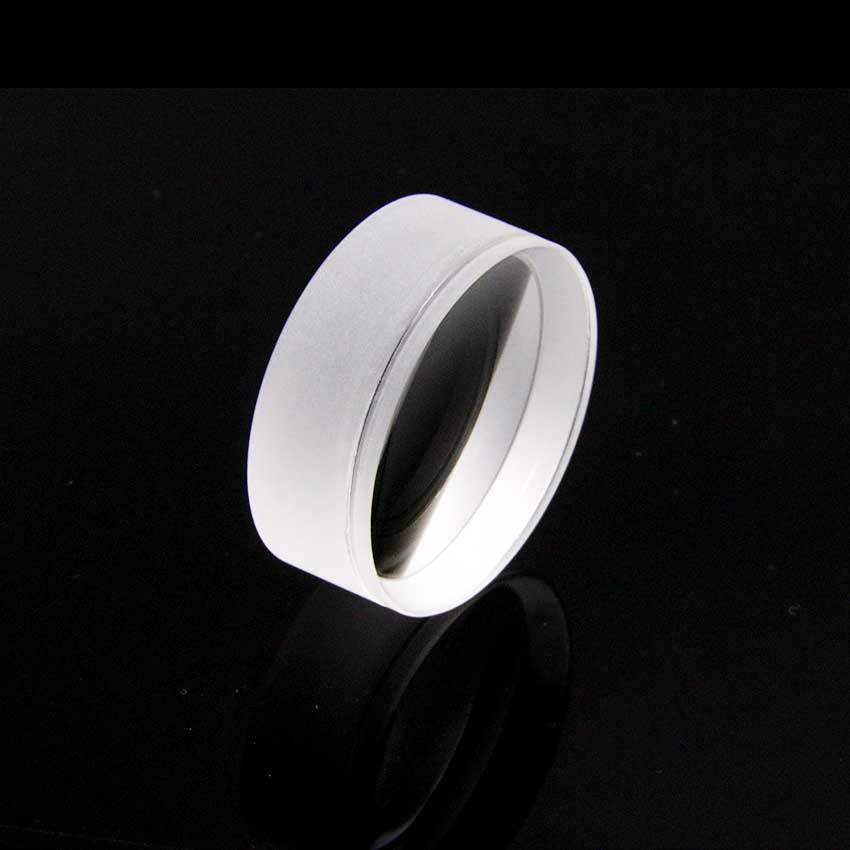
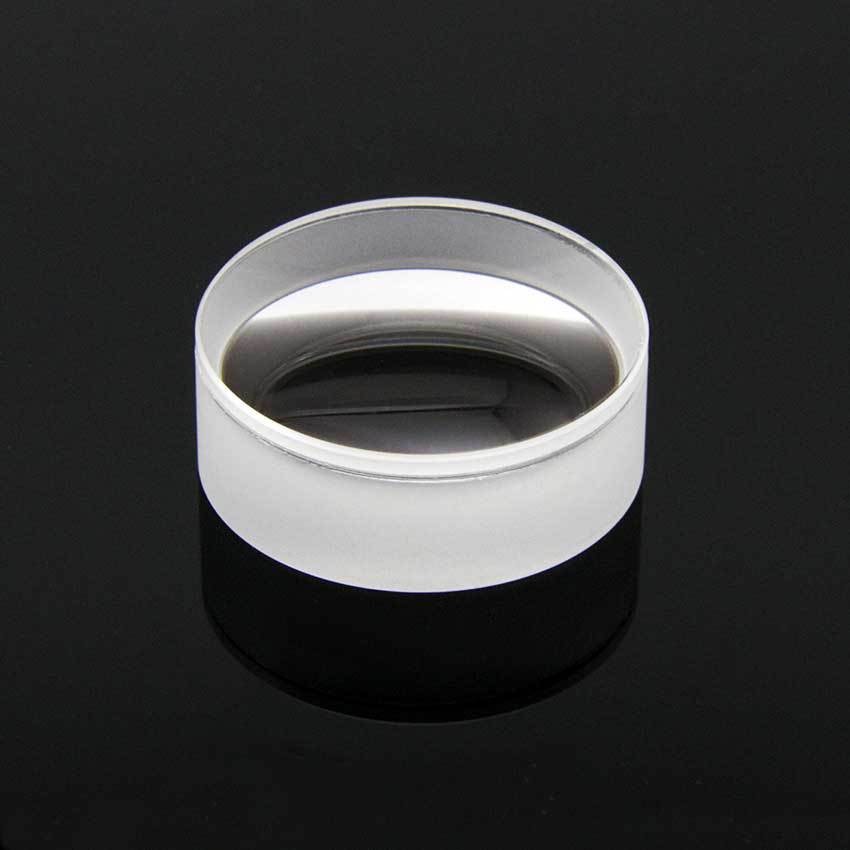
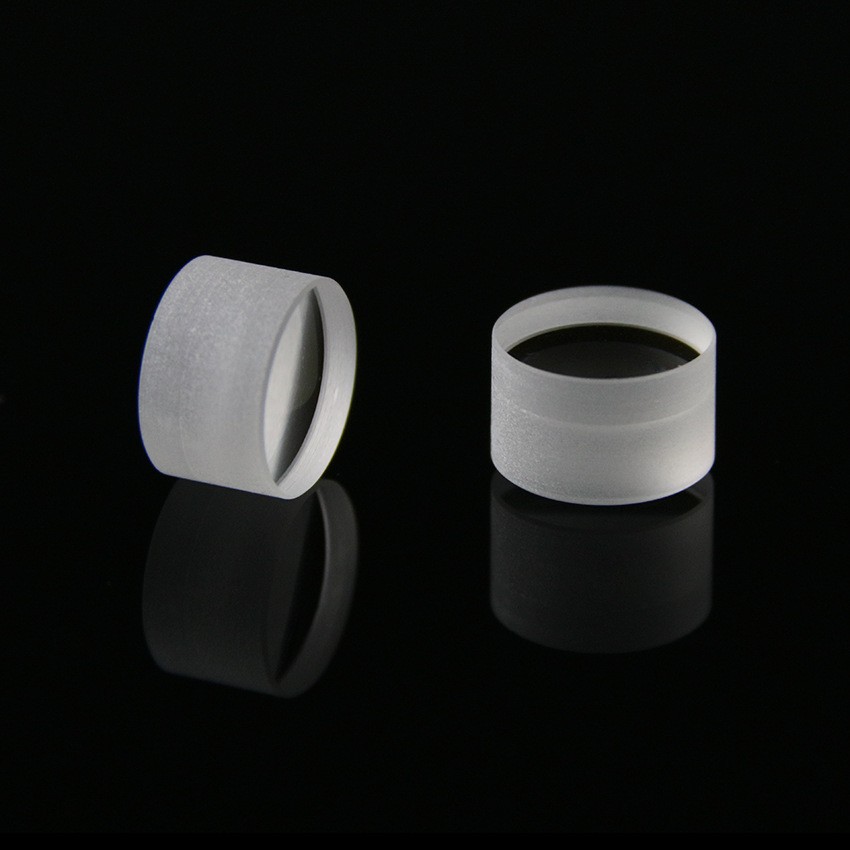
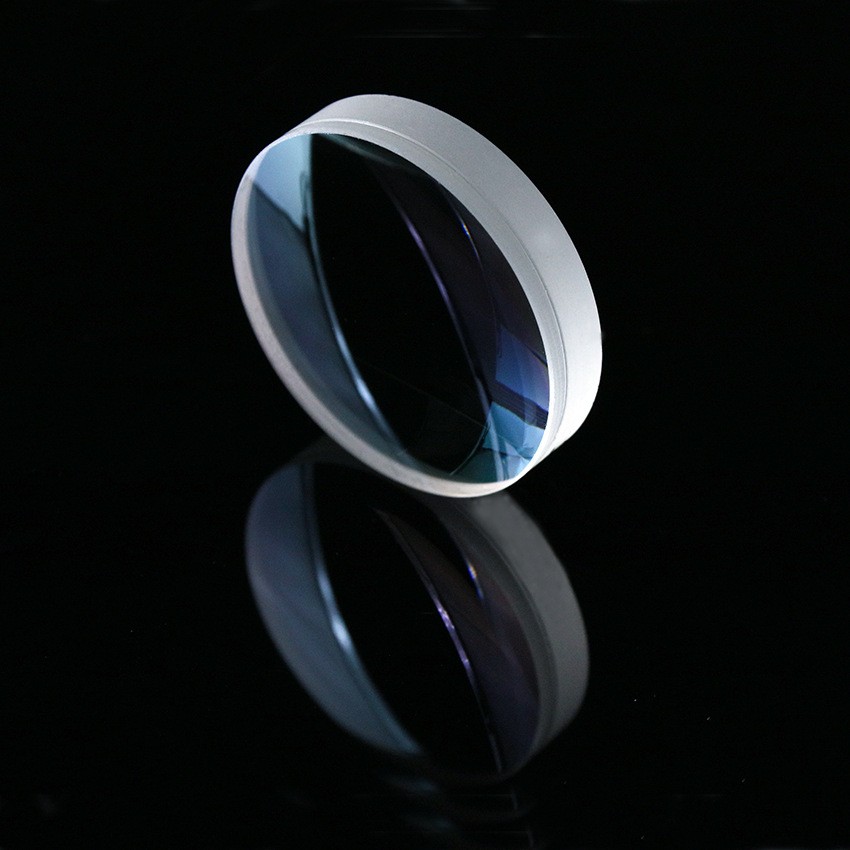
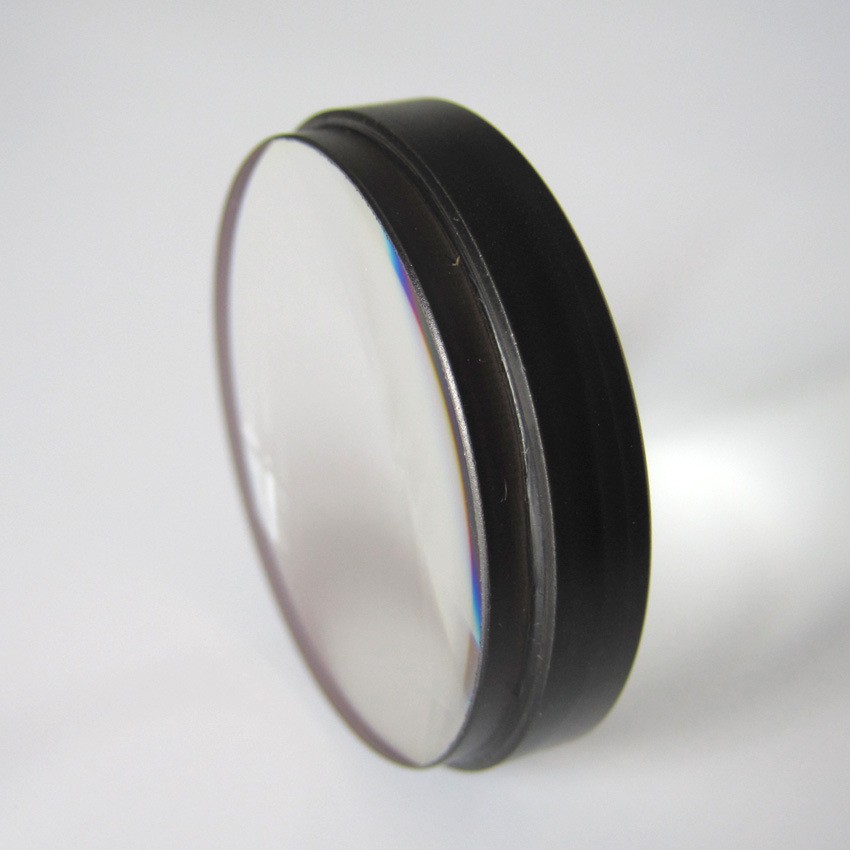
Achromatic lenses, also known as doublet lenses, are composed of a concave lens and a convex lens with different refractive indices and dispersive powers—these paired components minimize or even eliminate chromatic aberration.

Material | Optical Glass, Fused Silica, Infrared Material, etc. |
Dimension | 0.5~800.0mm |
Tolerance | +/-0.01mm, or +/-0.1mm |
Flatness | PV: 1/10 Lambda |
Centration | < 30 arc seconds |
Surface Quality | 10/5,20/10,40/20 |
Focal Length Tolerance | +/-0.5% |
Clear Aperture | >90% |
Bevel | Protective bevel |
Coating | According to customer's request |
For optimal performance, the side with a larger radius of curvature (near-flat surface) should typically face away from the collimated beam. Chromatic aberration arises from variations in the dispersion and refractive index of transmission materials when interacting with light of different wavelengths, causing these divergent light waves to converge at distinct focal points. Double-cemented achromatic lenses adopt a bonded design integrating lenses of dissimilar materials, which enables the dispersion properties of the two materials to offset each other, thereby minimizing overall chromatic aberration.
This achromatic design also helps reduce imaging aberrations in wide-wavelength composite light sources, minimize spherical aberration when paired with an appropriate radius of curvature, and mitigate coma regardless of the material selected. Compared with optical systems utilizing a single lens, achromatic lenses deliver sharper imaging and smaller focal spots, further enhancing the overall optical performance of the system. These lenses are well-suited for a broad range of applications, including fluorescence microscopy, telescopes, image relay systems, detection devices, and spectroscopy equipment.

Phone: +86 189 4674 7897
E-mail: info@aosoptics.com
Whatsapp:8618946747897
Add: Yiju Road High-Tech Zone, Changchun City, Jilin Province, China