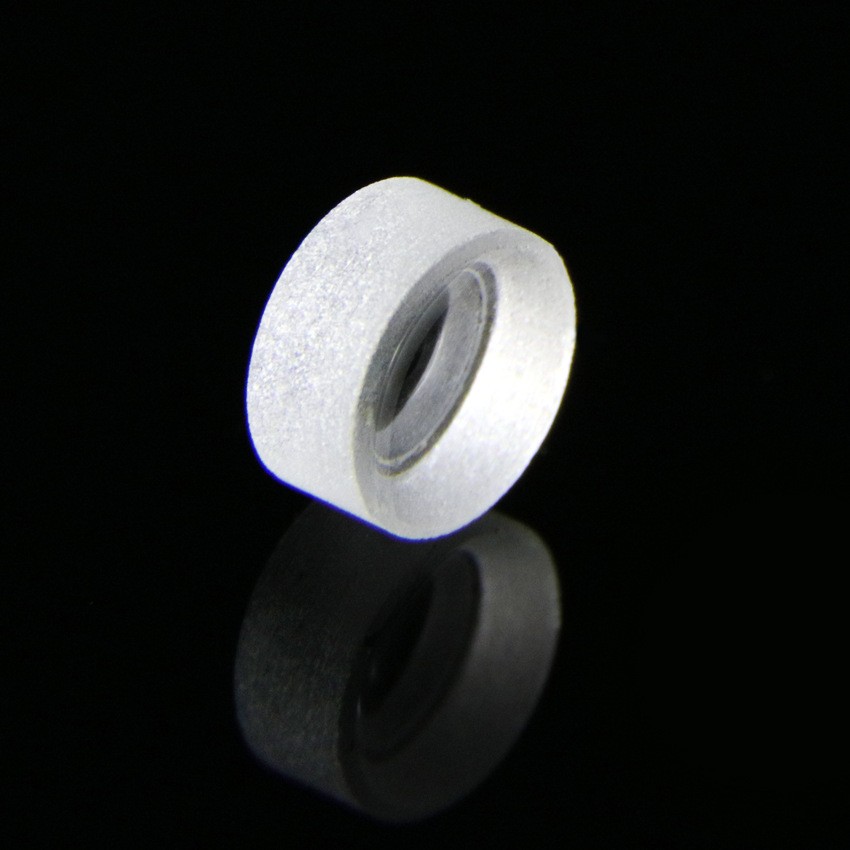
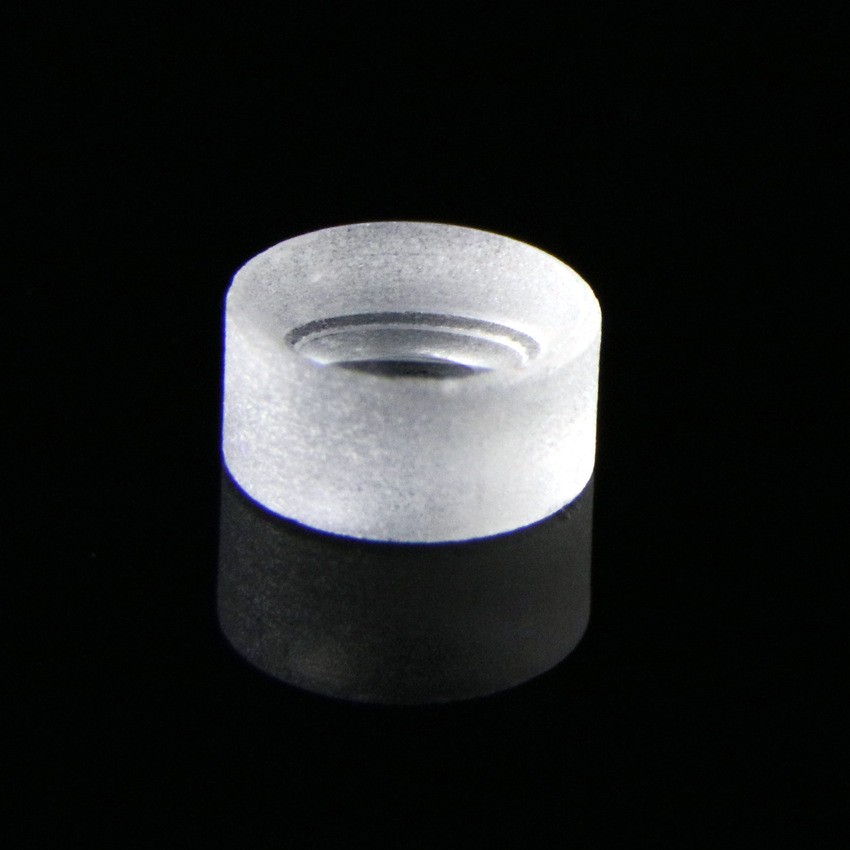
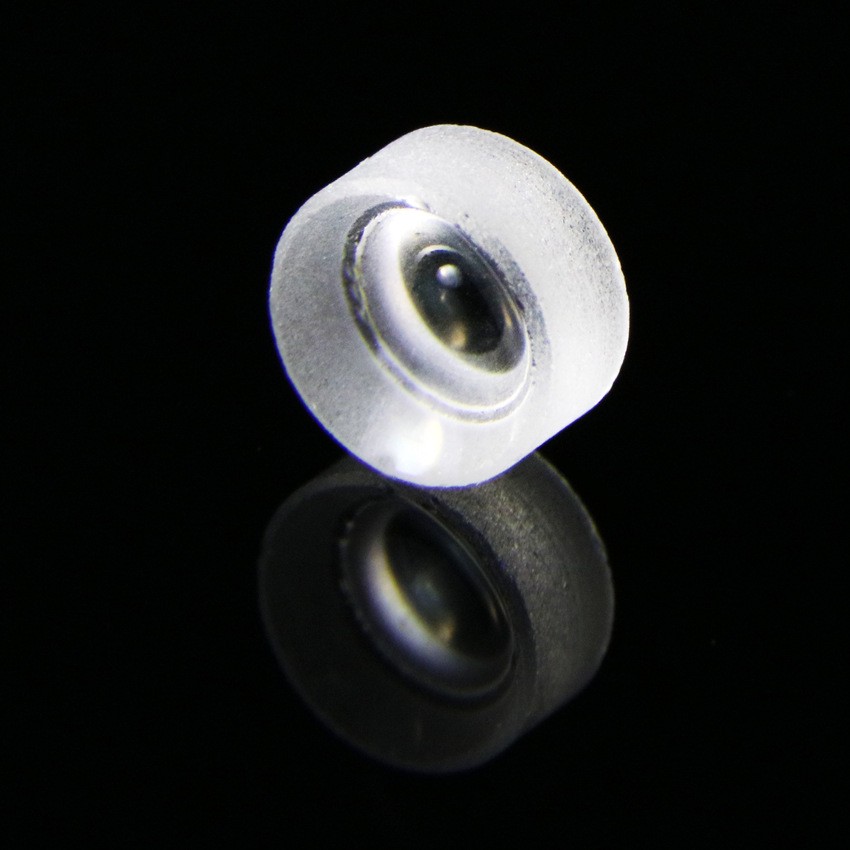
A double-concave lens—also referred to as a biconcave lens, diverging lens, or negative spherical lens—features two concave spherical surfaces and a negative focal length, making it ideal for diverging converged light beams.
Biconcave lens can diverge collimated light beams to a virtual focal point, and is widely used for beam expansion, collimation, projection, and extending the focal length of optical systems.

Material | Optical Glass, Fused Silica, Infrared Material, etc. |
Dimension | 0.5~800.0mm |
Tolerance | +/-0.01mm, or +/-0.1mm |
Flatness | PV: 1/10 Lambda |
Centration | < 30 arc seconds |
Surface Quality | 10/5,20/10,40/20 |
Focal Length Tolerance | +/-0.5% |
Clear Aperture | >90% |
Bevel | Protective bevel |
Coating | According to customer's request |
Double-concave lenses are widely integrated into photography systems, imaging setups, and laser measurement platforms, and are also used for beam expansion, collimation, projection, and focal length extension of optical systems. These versatile lenses serve as key components in telescopes, camera lenses, and microscopes.
AOS Optics offers customized double-concave lenses in both uncoated and anti-reflection (AR) coated versions, tailored to your specific application requirements across different spectral bands. Our AR coating options cover the UV, VIS, NIR, and SWIR ranges.
We also supply double-concave lenses fabricated from a diverse selection of substrate materials, each optimized for distinct spectral applications: H-K9L optical glass is ideal for visible and near-infrared use cases; germanium, silicon, zinc selenide, and calcium fluoride substrates are suited for infrared applications; and fused silica is designated for ultraviolet applications.

Phone: +86 189 4674 7897
E-mail: info@aosoptics.com
Whatsapp:8618946747897
Add: Yiju Road High-Tech Zone, Changchun City, Jilin Province, China